Blood Flow Restriction Training
If you have ever been hurt and felt like you were losing all the progress you worked for — BFR training is designed for that exact situation. It lets you keep building strength and muscle even when your injury means you cannot lift heavy yet.
The Science Behind BFR
BFR training works by wrapping a cuff around your arm or leg during exercise. The cuff slows the blood leaving the muscle while keeping blood flowing in. This creates a buildup inside the muscle that tells your body to adapt — releasing growth hormones and building muscle — the same way heavy lifting does, but at a fraction of the weight. Research shows you can get real, meaningful strength and muscle gains at loads as low as 20 to 30 percent of your maximum. For someone recovering from an injury, that is a game changer.

When BFR Makes the Most Sense
BFR is most useful in three situations. Right after surgery, when the tissue is too fragile to load heavily. During tendon rehab, when too much pressure on the tendon makes things worse. And any time an injury is forcing you to rest but you do not want to lose the fitness you have built. In all three cases, BFR lets you train hard enough to actually get results — without putting stress on the tissue that needs to heal.
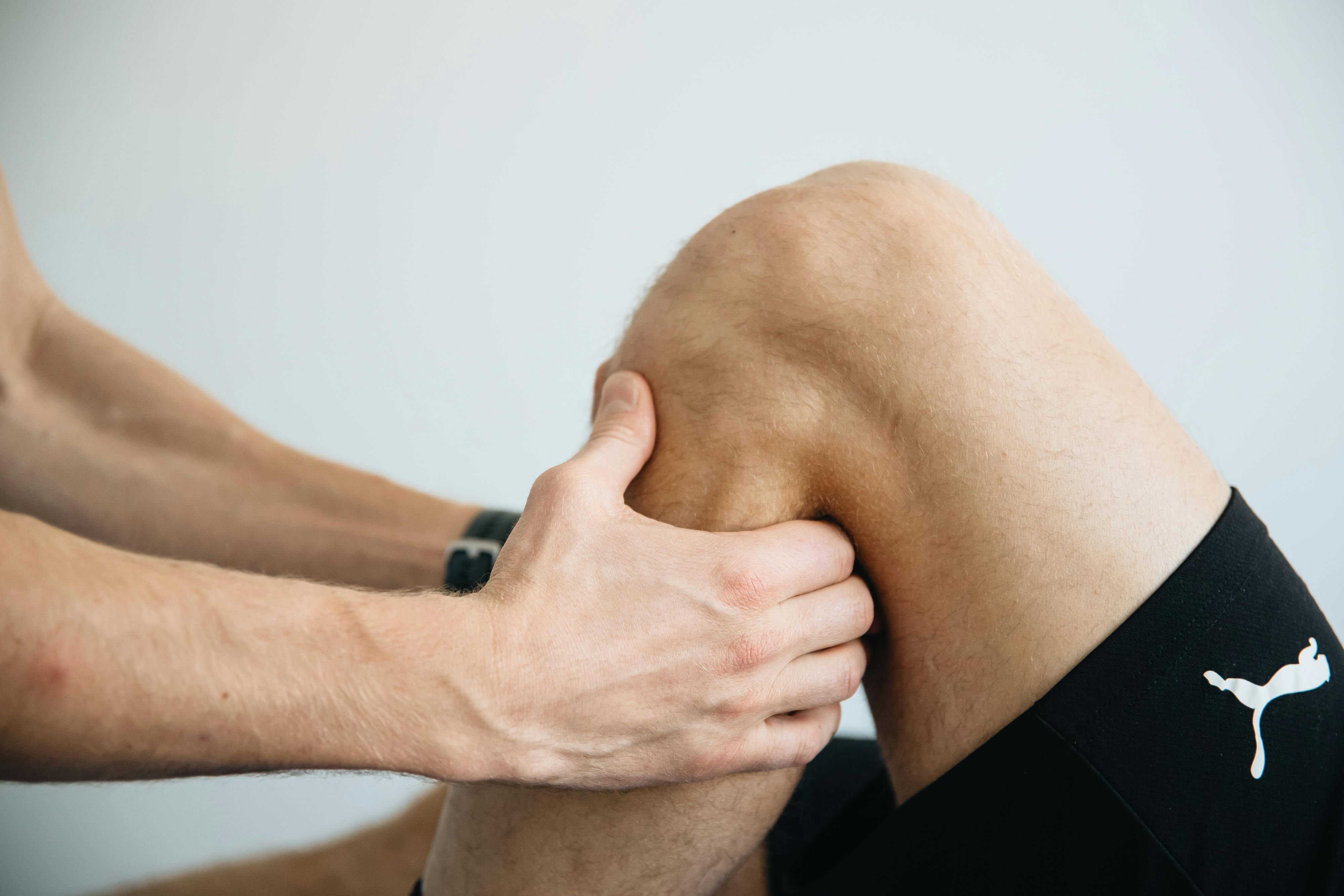
Safety, Protocols & Monitoring
At Reformance, cuff pressure is set based on your limb size and a measurement of your circulation — not just a generic number. This makes the session safe and effective for your specific body. The typical setup is four sets using a 30-15-15-15 rep scheme at a slow, controlled pace. It will feel harder than it looks on paper. The deep burn you feel is exactly what is supposed to happen — your muscle is working at its limit even though the weight is light. Most people are genuinely surprised by the intensity.

Clinical Applications of BFR
I use BFR when an injury is limiting how much load the tissue can handle, but we still need to keep the muscles strong and working. It is not a general fitness tool — it is a specific clinical decision made when the injury and the goal both point to it. The most common situations are early post-op rehab, tendon issues in the lower leg or knee, and cases where someone has lost significant strength and needs to rebuild it quickly without risking the healing tissue. When the conditions are right, BFR lets us keep moving forward instead of waiting.
Post-Surgical Rehab
BFR allows aggressive early-phase muscle loading following ACL reconstruction, shoulder repair, and joint replacement without violating tissue precautions.
Muscle Preservation
During periods of immobilization or activity restriction, BFR mitigates the rapid muscle atrophy that would otherwise set back rehabilitation timelines.
Tendon Loading
Low-load BFR provides a safe, effective method for loading irritable tendons — useful in managing patellar, Achilles, and rotator cuff tendinopathies.
Strength & Hypertrophy
For clients whose joints cannot tolerate traditional loading, BFR offers a direct path to meaningful strength gains in the quadriceps, hamstrings, and upper extremity.
Build Strength Without Overloading the Joint
BFR is one of the most underutilized tools in rehabilitation. Find out whether it belongs in your program — book your free evaluation.
Book Your Free Evaluation